

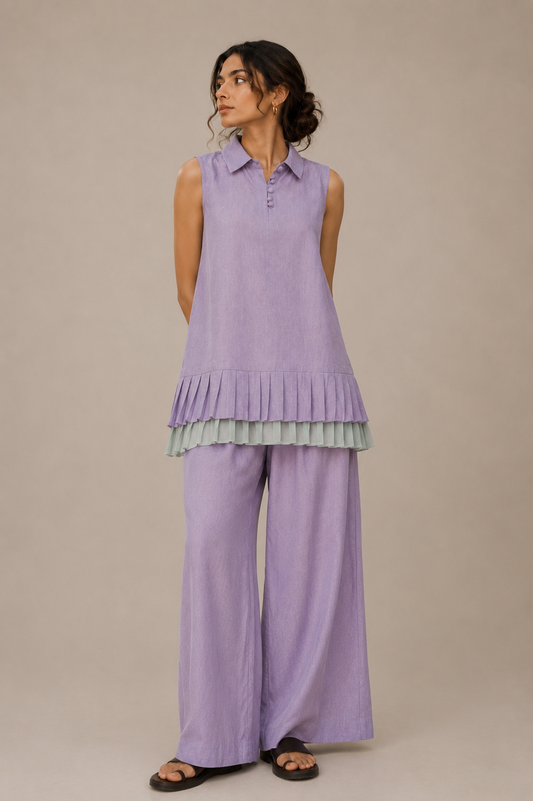
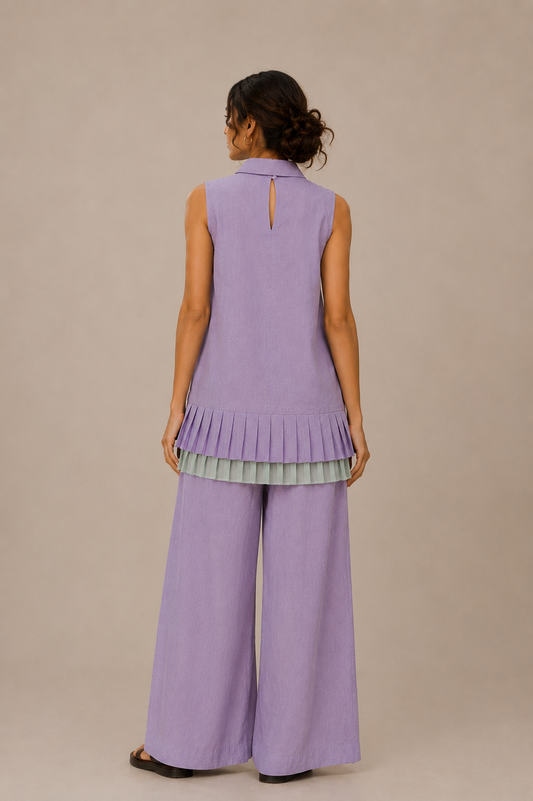

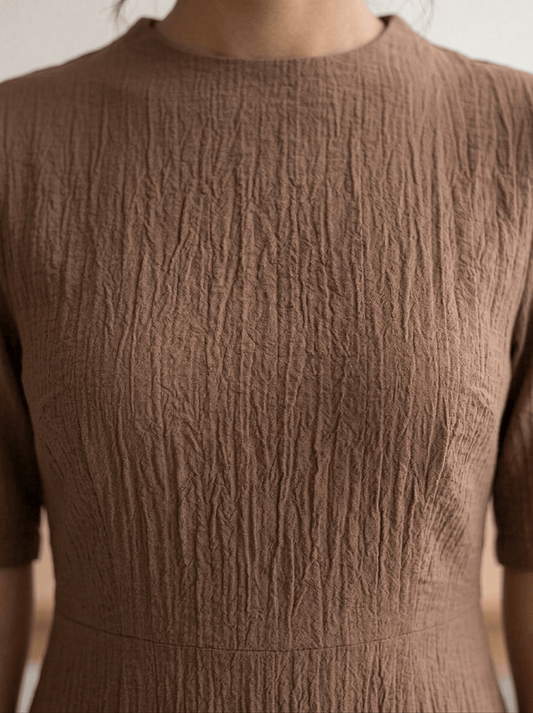
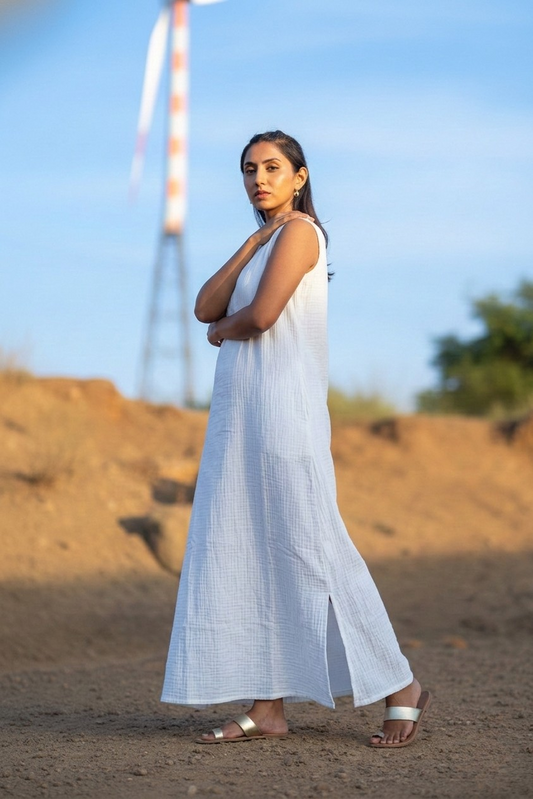


"In a world of noise, we choose the quiet resonance of a shared future."
At Cords Theory, we believe that a garment is more than just thread and fiber. It is a wearable sanctuary. Our journey began with a simple but profound intention. We design for the safety of the wearer today, and the biodegradation of the fabric tomorrow, honoring the full cycle of the earth’s resources. We aren't just making clothes, we are honoring the resources that sustain us.
The Ritual of Less
The traditional fashion world often thrives on overproduction—creating mountains of inventory that are eventually burned, discarded, or exported to far-off shores. At our studio, we reject this cycle. We value the earth's resources too deeply to let them go to waste. By refusing to overproduce, we ensure that every piece we create has a purpose and a home.
Pristine Grade
Every outfit begins with Noble Natural fabrics. This isn't just a label, it’s a commitment to using the least amount of blue water and the fewest chemicals possible. It’s about ensuring that the fabric touching your skin is as pure and high-vibrational as the intention behind it.
Choosing Noble Natural fabrics over conventional textiles is a profound commitment to the future safety of people and the planet. Beyond the physical softness, the "Theory" behind our choice lies in the measurable impact on our global ecosystem.
Conventional vs Our Noble Fabrics
| Feature | Conventional Fabrics | Our Noble Fabrics |
| CO2 Emissions | High footprint due to synthetic fertilizers, heavy pesticide use, and energy-intensive industrial processing. | Significantly lower emissions, healthy organic soil acts as a carbon sink, sequestering CO2 rather than releasing it. |
| Water Usage | Extremely high; conventional cotton is one of the "thirstiest" crops, often depleting local water tables. | Uses less blue water, relies primarily on rainwater and maintains soil moisture through organic matter. |
| Chemical Impact | Relies on toxic pesticides and Azo dyes that can leach into local waterways and linger in the fabric. | Strictly prohibited. Only Azo-free, low-impact dyes and biodegradable stabilizers are permitted. |
| Soil Health | Monoculture and chemicals degrade the earth, leading to sterile land that requires more intervention over time. | Crop rotation and organic composting build living soil, ensuring long-term fertility and biodiversity. |


